World Goetheanum Forum 2026
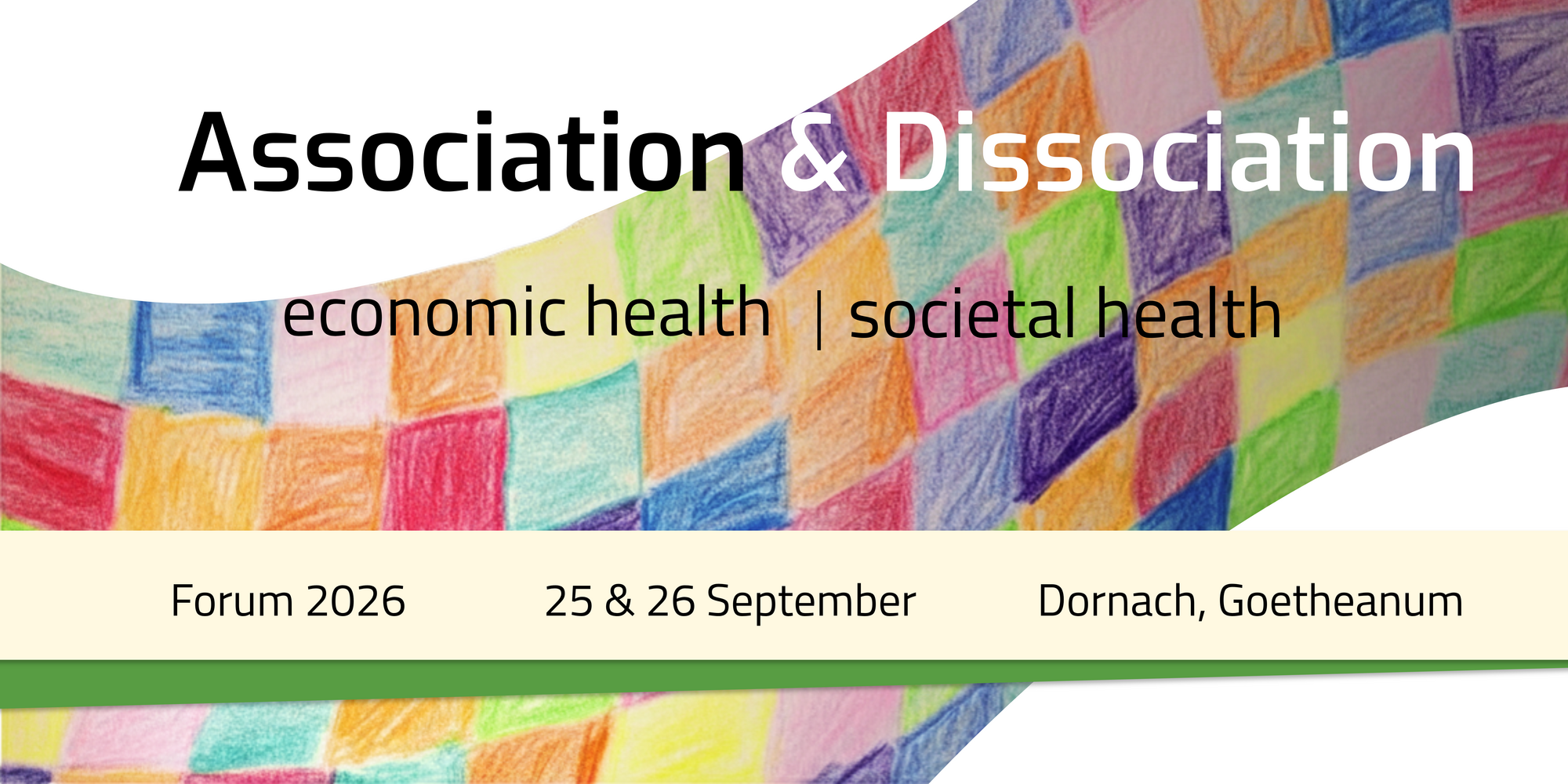
Economic health as a reflection of societal health and vice versa
Despite all the crises and challenges of our time, there is reason for hope. Everywhere, people are beginning to rethink the economy – in a holistic, responsible and sustainable way for everyone. Initiatives, companies and networks are emerging that are breaking new ground and demonstrating that a different form of economic activity is possible. At the World Goetheanum Forum 2026, we will focus on two poles: what works and what causes harm.
The Forum sees itself as a space for research and encounter: a place where experiences are shared, perspectives broadened and new approaches developed together. This year, our key questions are:
- What are concrete practices of associative economics today?
- Can we revitalize the concept of "association"—what does it mean under current conditions?
- Which associative processes could gradually enable a sustainable economy?
- How do we, as human beings, develop the capacity for connection—to ourselves and to the world—as the foundation for a sustainable economy?
The way we work, live and conduct business is inextricably linked to our personal and societal well-being.
The way we create value, make decisions and shape relationships has a profound impact on the reality of our lives – both individually and collectively. What holds true in medicine and psychology – that connection promotes health, whilst disconnection leads to illness – could also apply to economic and social processes.
Where relationships are vibrant, development flourishes. Where they break down, tensions and crises arise. This makes the ability to connect a key skill for the future – not only in interpersonal relations but also in economic activity.
The forum invites us to explore these connections together, to learn from one another and to develop ideas for an economy that serves life. We invite you to explore, exchange ideas and think ahead – with people who have already set out on this path, and with those who are seeking it.
Contributors
Melanie Nay
Economist and Ethicist, Executive Board of the City of Zurich’s Pension Funds, CH
Benjamin Hohlmann
Kaffeemacher:innen GmbH, CH
Prof. Jörg Probst
Menschen und Unternehmen GmbH, DE
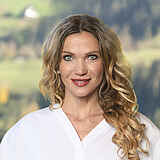
Elisabeth Thoma
Thoma Holz GmbH, A
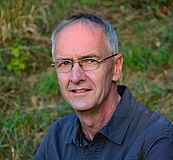
Falk Zientz
GLS Bank, DE
Roland Peeters
Mercurius International, NL
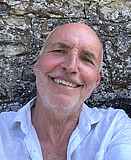
Andreas Rebmann
Projectmanager Software AG-Stiftung, DE
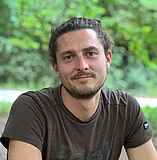
Benjamin Brockhaus
Sustainability economist, Bio-Stiftung Switzland, CH
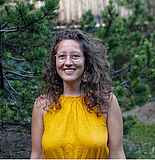
Magdalena Ries
Experiential educator, peace activist, DE
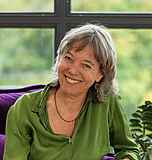
Christiane Leiste
Deep democracy, DE
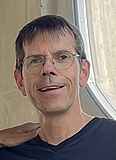
Andreas Kaiser
Head chef, Anfora, CH
Dr. oec. troph. Jasmin Peschke
Head of the Department of Nutrition at the Goetheanum, CH
Johannes Houber
ErdmannHAUSER Getreideprodukte GmbH & HUOBER BREZEL GmbH, DE
Boris Voelkel
Voelkel GmbH, DE
Georg Neubauer
BIÖRN e.V., DE
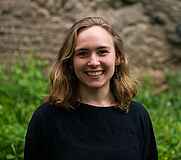
Malika Uhlmann
BIÖRN e.V., DE
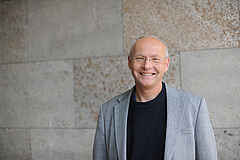
Dr. med. Christian Grah
Gemeinschafts-
Krankenhaus Havelhöhe, DE
Florian Kollewijn
Chancen eG, DE
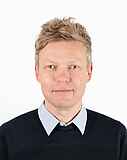
Yaike Dunselman
Architect, 9grad architektur, NL
Hany Bahy El.DIN
CFO Sekem Group
Eva Putschner
University "Witten/Herdecke"
Johanna Meyer-Tonnendorf
Student, Master University Bielefeld; Human Ressource Management
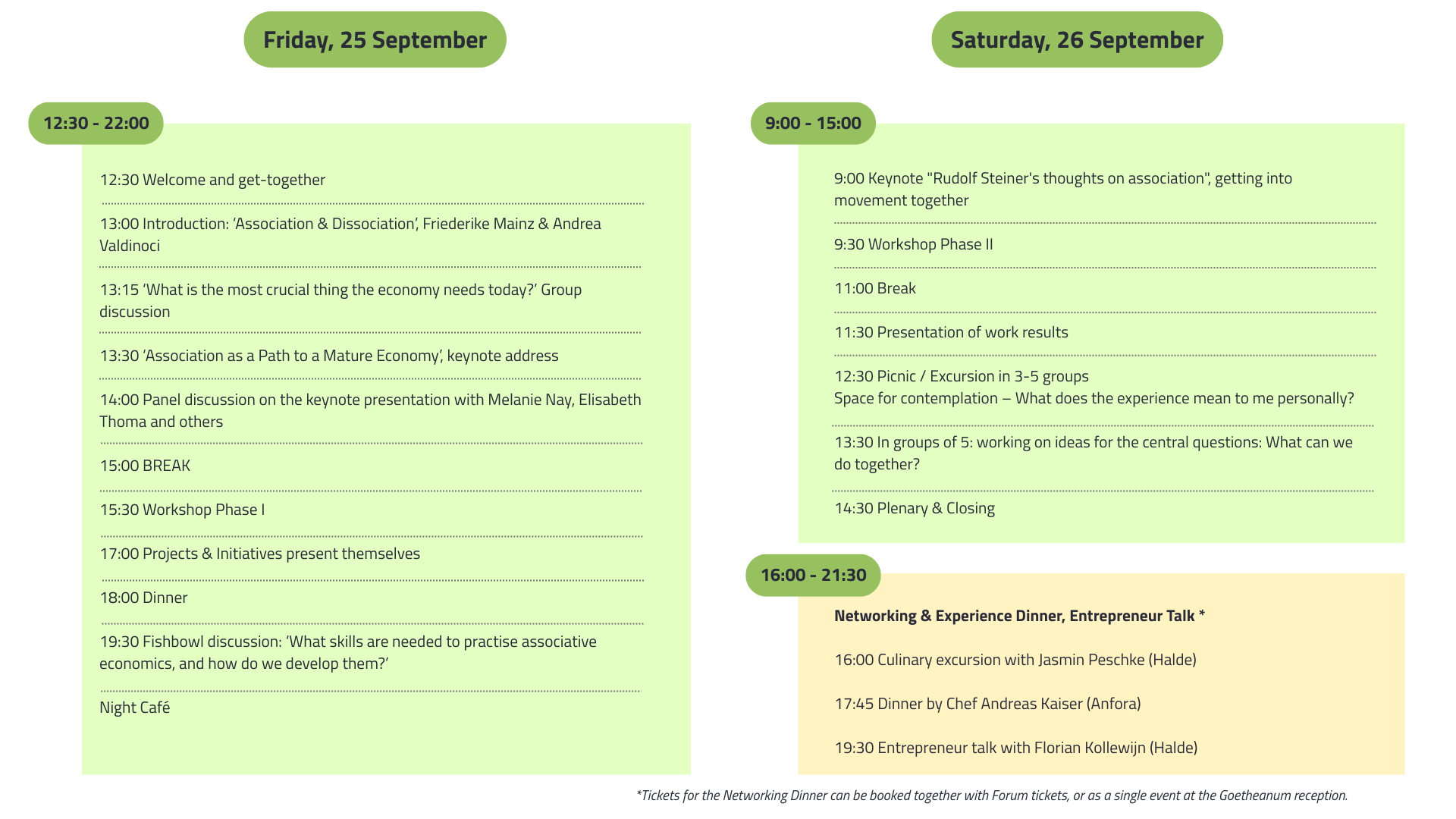
Conference Programme
Venue: Goetheanum, Schreinerei, Rüttiweg 45, 4143 Dornach, Switzerland
Workshops
with Elisabeth Thoma & Yaike Dunselman
Nowadays, when people plan a house, they usually do so in isolation: one person builds it, another finances it, a third lives in it, and nature provides the materials without being asked. This workshop reverses that order, entirely in keeping with Rudolf Steiner’s philosophy. We sit down together and work out what a living space made entirely of wood must be capable of providing for the people who will live there.
The basis for this is Holz100, a wall and ceiling system made of solid timber that requires no glue or chemicals and is held together solely by wooden dowels. It is one of the few building materials where dismantling does not result in hazardous waste, but instead yields another house.
Content & Programme:
We’ll split into small groups, each of which will take on a key aspect of daily life: sleeping, eating and cooking, washing, working, and socialising. Each group will develop its own area, and at the end we’ll bring the parts together to see if they form a coherent whole. The results won’t just stay in the conference room. They will be incorporated into the specifications for new Holz100 prototypes, which are set to be realised in the near future.
What emerges over these two days will therefore lay the foundation for new living spaces and buildings that are actually intended to be built.
No prior knowledge is required. It is not about drawing a house, but about working together to discover what a space should offer so that we, as people, can live well within it.
About the people:
Elisabeth Thoma is a member of the management board at Thoma Holz GmbH, the global pioneer in chemical- and glue-free solid timber construction. She is responsible for all aspects of corporate communications. Through her painting and as a qualified yoga teacher, she combines creativity, mindfulness and a deep connection with nature. She holds an MBA in Business and, through the expansion of the Thoma brand in recent years, has made a significant contribution to establishing timber construction as a genuine alternative in private and public building projects across Europe. Today, she combines business responsibility with a holistic view of people, nature and the company. She is driven by a nature-centred optimism, which is reflected in projects such as Europe’s first solid timber clinic in Arlesheim.
Yaike Dunselman studied architecture at the Alanus University of Arts and Social Sciences in Alfter, near Bonn. Since 2003, he has run the Dutch-German architectural practice ‘9grad architektur’ in Amersfoort (Netherlands) and Oldenburg (Germany), in partnership with Lars Frerichs: projects spanning the spectrum from supermarkets to the Goetheanum. Projects by ‘9grad architektur’ have received several awards, including the BDA Prize of the State of Lower Saxony, the AIT Award, the Fritz Höger Prize, the AIA Architectuurprijs, the Hedy d’Ancona Prize, Iconic Awards, the German Brick Prize, the Bremen Design Prize, Best Architects 23, the Amersfoort Urban Development Prize, the National Timber Construction Prize 2022 and further nominations. Since 2020, he has been a member of the management team of the Section for the Visual Arts at the Goetheanum in Dornach.
with Benjamin Hohlmann
In the first part (Friday), I’ll take the participants on a journey with us – explaining how a coffee roaster became a facilitator, what we’ve learnt in the field, and how this has transformed all our supply relationships. In the second part (Saturday), we’ll apply this together: what does ‘relationship space’ actually mean for other sectors and contexts? Where does dissociation lie in our own economic activities – and what might be a first associative step?
About the contributor
Benjamin Hohlmann didn’t discover coffee in a café, but in the countries where it is grown. After a period of voluntary service in Bolivia, several years as the managing director of an NGO and running Switzerland’s largest coffeehouse, he founded Kaffeemacher GmbH in Basel in 2017 – because he was troubled by how little the chain between the field and the cup was visible to everyone involved. Shortly after setting up the company, he took a stake in a coffee farm in Nicaragua: to understand what growing coffee entails and to build direct relationships with producers. Today, he runs a company with a roastery, coffee schools in Basel and Dinslaken, cafés and 60 employees – operating from the outset under a steward-ownership structure with a foundation as a partner, which safeguards the company’s purpose in the long term. As a German Cup Tasting Champion and Q-Grader, he is convinced that quality and transparency are inseparable.
with Christiane Leiste, Deep Democracy, Mindful Leadership, Conflict Transformation
Conflicts can open the door to something truly new. Christiane guides us along this path with her methods and experiences. It could be nothing less than a fundamental skill for peaceful coexistence and an economy that works for everyone.
About the contributor
Christiane Leiste is the first Lewis Deep Democracy trainer and Elder in the German-speaking world and has established the training programme for all German-speaking Lewis Deep Democracy trainers. She teaches at Osnabrück University of Applied Sciences and Heliopolis University in Cairo, and in her work combines Mindful Leadership, Theory U, mindfulness and conflict facilitation into a holistic approach to change and dialogue. Since 2024, she has been supporting the Ukrainian Ministry of Education in the country’s school reform through the ‘Happy Schools Ukraine’ programme, teaching social-emotional learning to Ukrainian headteachers and entire teaching staff. Drawing on many years’ experience in schools, universities and international projects, she supports leaders, teams and organisations through change processes. Her style is empathetic, humorous and solution-focused – with a keen sense of the dynamics and ‘hot topics’ lying beneath the surface. Her book, *Deep Democracy: Creating Connection out of Polarisation*, is due to be published on 14 September 2026.
with Benjamin Brockhaus, Magdalena Ries und Andreas Rebmann
What are the inner prerequisites that enable us to form associations? ‘Vulnerability as a resource’ is an approach that explores an area which has received little attention to date, yet is essential for healthy social interaction.
About the contributors:
Benjamin Brockhaus works as a sustainability project developer and supports transformation processes at both the individual and organisational levels. His approach combines economic thinking with inner development work and systemic process facilitation. At the heart of his work lies the question of how spaces can be created in which people can express themselves fully and flourish. He brings together experience from the fields of sustainable business, environmental protection and community-oriented projects. He focuses on integrating the emotional, physical and mental dimensions of development. He is particularly committed to creating contexts in which vulnerability is understood not as a weakness, but as a resource for development. His work aims to forge a profound connection between personal healing, social transformation and the sustainable development of people and nature in partnership.
with Boris Voelkel, Malika Uhlmann and Georg Neubauer
Empathetic business practices, round-table discussions or the design of value chains: what might associative business look like today? Voelkel is a prime example of success. What makes this success possible? Where do the challenges lie? What are the unanswered questions?
About the contributors
Boris Voelkel heads the management team of the organic drinks manufacturer Voelkel alongside his brothers Jacob and Jurek, and is responsible for purchasing there. True to his motto ‘Healthy food from healthy structures’, Boris prioritises long-standing, reliable relationships with farmers and the principle of empathetic business practices. The Wendland native is convinced that the ability to build relationships is the key competence for successful business operations in the future.
Georg Neubauer is a board member at BIÖRN e.V. and actively facilitates round-table discussions. He also serves as a producer adviser for the Bioland Farmers’ Association.
Malika Uhlmann is a process designer and value chain facilitator at BIÖRN e.V.
with Christian Grah and Jörg Probst
Association and dissociation in climate protection and planetary responsibility: What does this mean for concrete business action? A workshop to explore causes and develop concrete personal strategies together.
About the contributors
Jörg Probst has been active in the business world for many years. His field of expertise lies in advising and supporting companies, initiatives and organisations in the areas of sustainable construction, energy technology and the energy sector. He has gained extensive experience in education and professional development through numerous seminars and training projects, as well as through his role as a lecturer at Bochum University of Applied Sciences in the Department of Architecture, specialising in building services engineering and sustainable energy concepts.
Dr. Christian Grah, MD, is a specialist in internal medicine, specialising in respiratory medicine, intensive care medicine, psycho-oncology, smoking cessation and anthroposophic-integrative medicine. He is a senior consultant at the Medical Clinic and heads the Department of Respiratory Medicine as well as the Havelhöhe Lung Cancer Centre (DKG) at the Havelhöhe Community Hospital. His interest in processes for a climate-resilient and climate-friendly healthcare system led him to help set up the ‘ClimateFriendlyHospital – by 2030’ project at Havelhöhe Hospital. He also founded a real-world laboratory to collaborate on developing solutions with other scientists. In this work, he focuses on the transformation of medicine towards sustainable and climate-friendly medicines and medical devices. In this context, he has recently gained nationwide recognition in Germany for his commitment to changing practices in the treatment of asthma and COPD patients towards climate-conscious inhaled therapies. He is also involved in research into sustainable treatment methods for lung diseases and non-pharmacological therapeutic approaches. Grah is the managing director of the Gesellschaft für Gesundheit und Prävention Havelhöhe gGmbH and is committed to improving communication processes in medicine, particularly in oncology, as well as to expanding counselling and treatment services for tobacco dependence in Germany.
with Falk Zientz and Johannes Houber
When a sense of connection is achieved in business relationships, it can lead to truly inspiring moments. But all too often, something stands in our way. Johannes Houber and Falk Zientz share their experiences from the food and finance sectors and then invite us to join them on a journey of discovery.
About the contributors
Johannes Houber is Managing Director of ErdmannHAUSER Getreideprodukte GmbH and a co-partner in HUOBER BREZEL GmbH. A graduate in philosophy and social sciences (MA, University of Tübingen), he combines entrepreneurial activity with a holistic view of value creation and sustainable business practices. His aim is to shape the economy in a responsible, collaborative and future-proof manner.
Falk Zientz is a banker and political scientist who has been with GLS Bank since 1994 and currently works in the Strategy and Development department. He has extensive experience of community-based economies and solidarity-based financing instruments.
‘Association as a Path to a Mature Economy’, panel discussion with Melanie Nay, Elisabeth Thoma and Christiane Leiste
Networking and experiential dinner, business discussion
with Jasmin Peschke and Andreas Kaiser
Discovering the effects – what nourishes us?
Through our diet, we have the opportunity to train our senses so that we can perceive how different foods affect us, and this opens up new perspectives on various levels. We approach this topic in a playful way and embark on a journey of discovery together with other participants.
When it comes to nutrition, we have the opportunity to train our senses so that we can perceive how different foods affect us, and this opens up new perspectives on various levels. We approach this topic in a playful way and embark on a journey of discovery together with other partners.
with Florian Kollewijn
Real entrepreneurs’ stories also tell of crises, failure and the strength to carry on.
About the speaker
Florian Kollewijn has learnt first-hand that entrepreneurship is not a straightforward journey, and that successes can be followed by crises posing significant risks to investors, founders and employees. To provide funding for students, he founded companies in Germany and sub-Saharan Africa. In Germany, he built up CHANCEN eG, provided €40 million in funding to 2,000 students and developed a team of over 30 people. Until, in 2023, the crises began to mount up: A partner on the brink of insolvency – a liquidity crunch of his own – impending insolvency – and a rescue thanks to strong partners – though this was followed by consolidation to a team of five staff and no new student financing, but rather a phased reduction of the portfolio over 25 years. The task now is not to lose heart and to rebuild the education financing model within the GLS Bank Group.
Projects & Initiatives present themselves
Hany Bahy, CFO of SEKEM Holding, will share insights into the Future University concept, particularly how Heliopolis University aims to address systemic challenges in traditional education and pioneer a transformative educational model in Egypt. Discussion, feedback, ideas and support are warmly welcomed during this session.
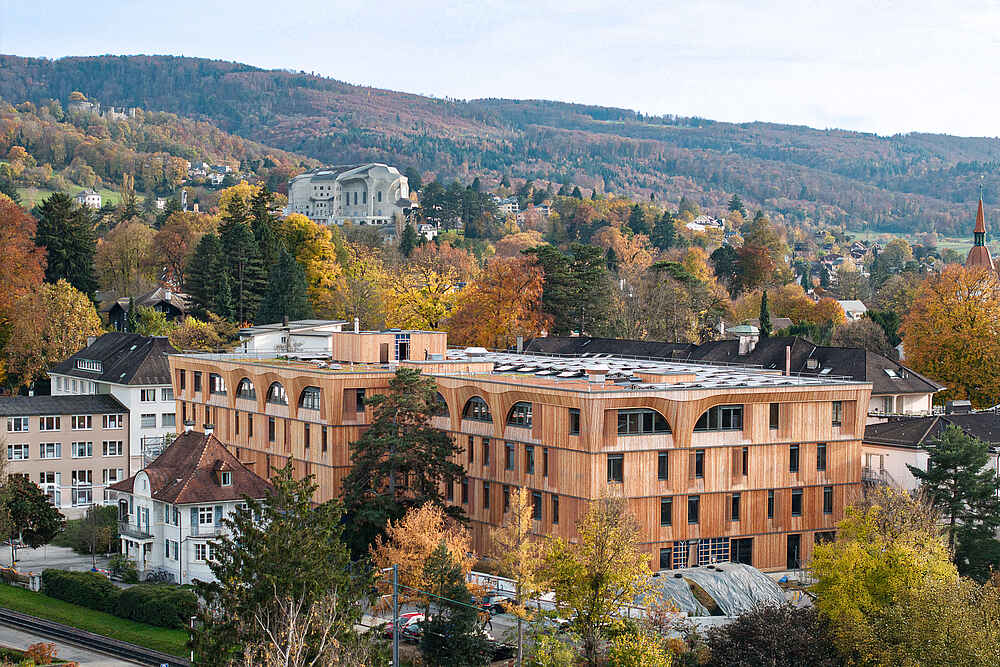
Together with architect Yaike Dunselmann and Elisabeth Thoma of Thoma Holz GmbH, we visit the new Arlesheim Clinic building. What elements do architecture and construction need today to promote holistic health?
Sustainable solid timber buildings for the Arlesheim Clinic
For young people or economics students interested in these forum topics, we are offering the opportunity to get involved in the event. Please feel free to contact us at: association@worldgoetheanum.org
More information here.